Wearable Engineering Design - Prolonging Pointe Shoes
Problem Statement:
In my high school Higher Level Design Technology course, I was challenged to identify a real-world problem and take a product from initial research and ideation all the way to a functional prototype. As a ballet dancer for many years, I knew firsthand how quickly pointe shoes wear out from moisture and repeated use, creating a significant cost for dancers as well as unnecessary material waste. I decided to design a solution that would extend the lifespan of pointe shoes by removing moisture while preserving their shape, making them more durable and reducing how frequently they need to be replaced. The project allowed me to combine my experience as a dancer with my interest in engineering, product design, and sustainability.
Ideation:
Researched how moisture, humidity, and storage conditions contribute to pointe shoe deterioration, then used questionnaires and dancer feedback to define requirements around moisture removal, shape preservation, portability, durability, and airflow.
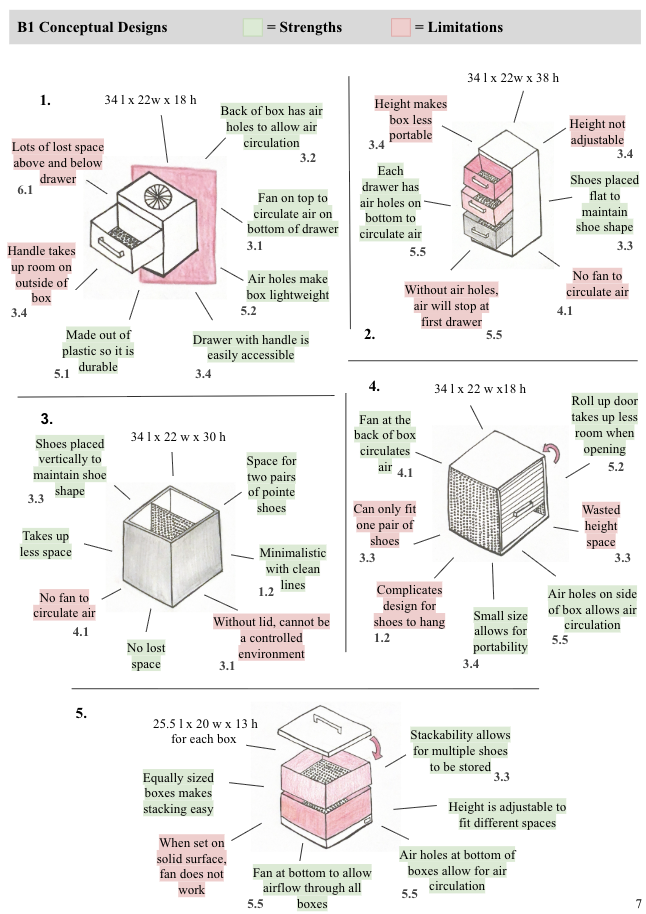
Developed initial concepts, exploring different shoe orientations, ventilation layouts, fan locations, doors, and storage configurations.
Identified active airflow from a fan as a way to accelerate moisture removal rather than relying only on passive ventilation.
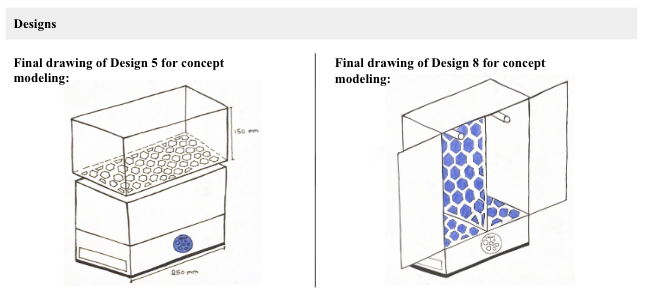
Narrowed the concepts to two final designs and evaluated them against the design specifications, selecting a concept that suspended the shoes to preserve their shape while circulating air around them.
Prototyping & Testing:
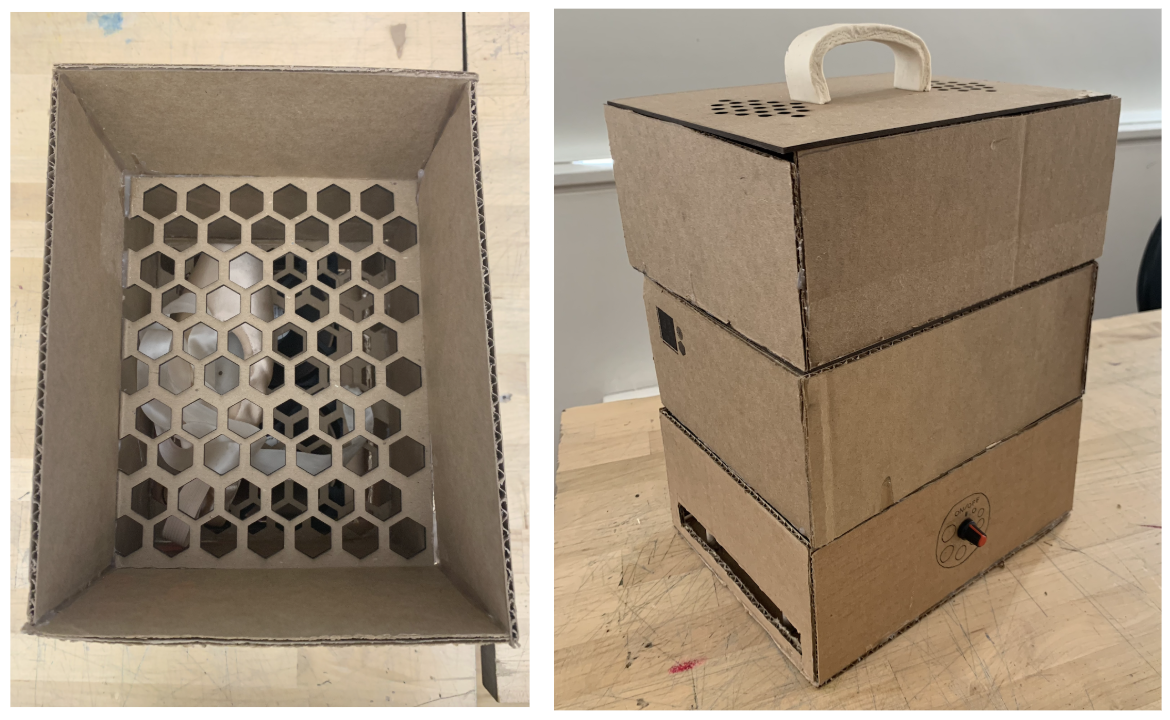
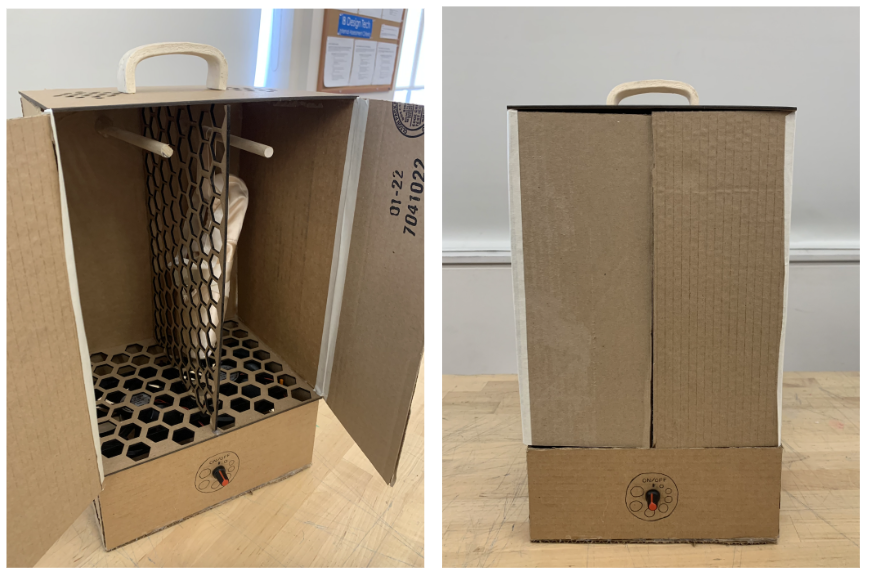
Built cardboard conceptual models to test the overall size, shoe positioning, accessibility, and airflow before committing to the final design.
CAD & Manufacturing:
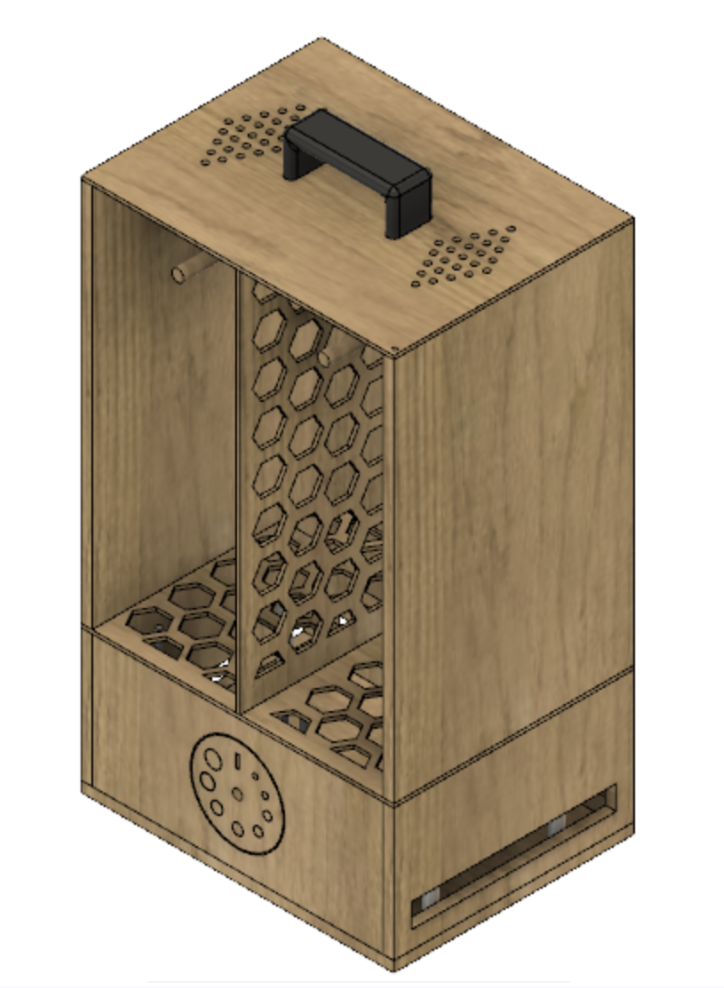
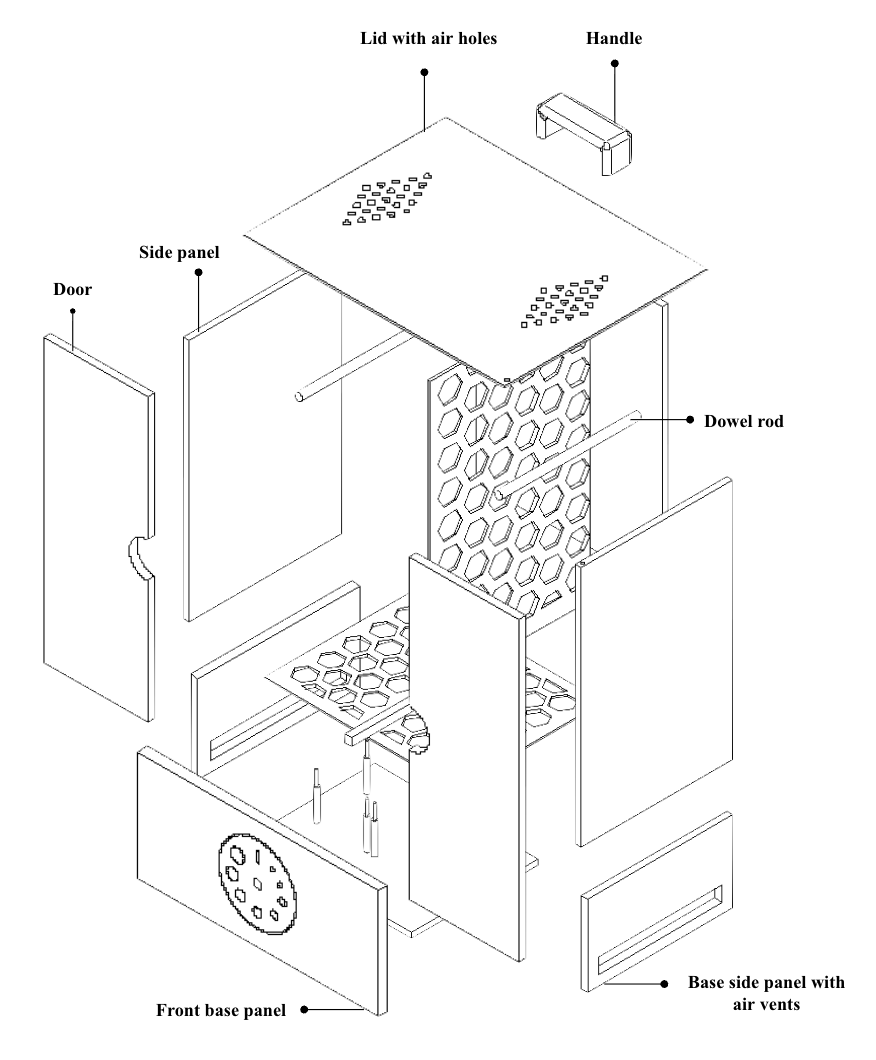
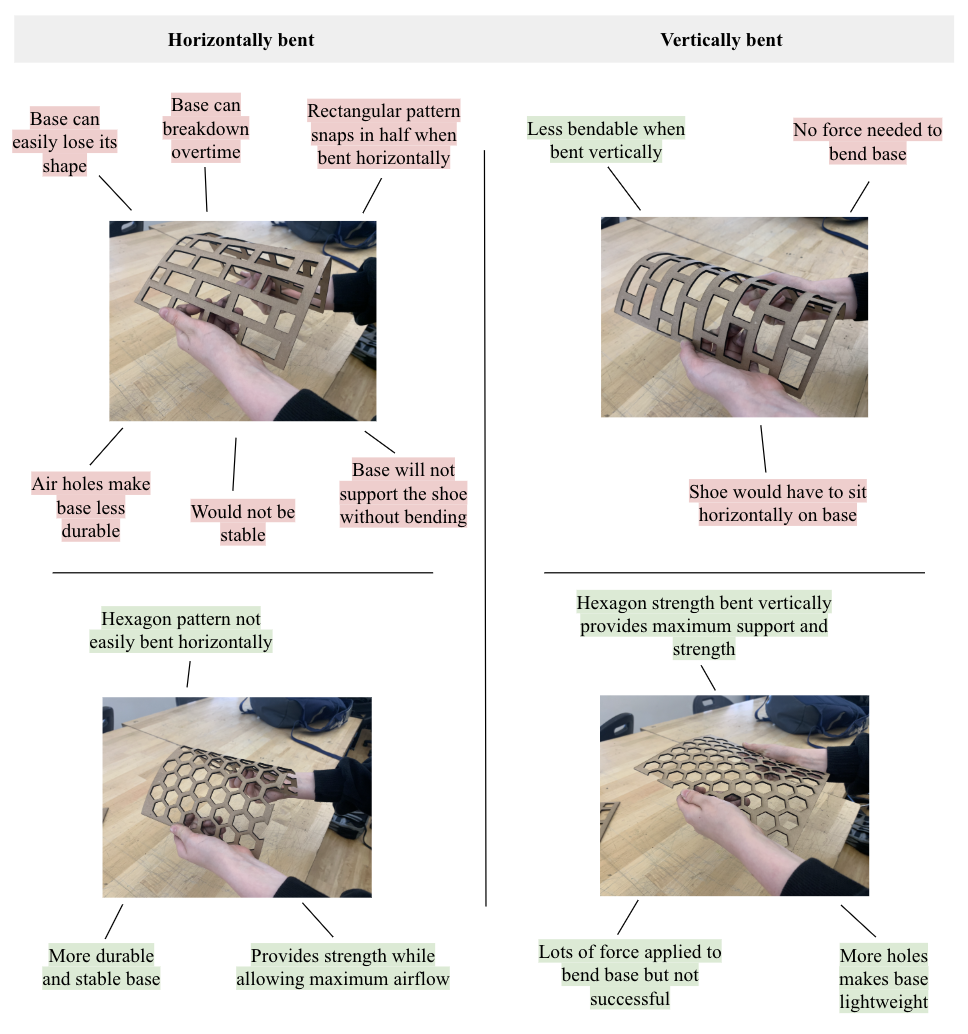
Prototyped different ventilation geometries, including circular, rectangular, and hexagonal openings; laser cut the designs and tested them for airflow and structural strength, ultimately selecting the hexagonal pattern.
Final Prototype & User Testing:
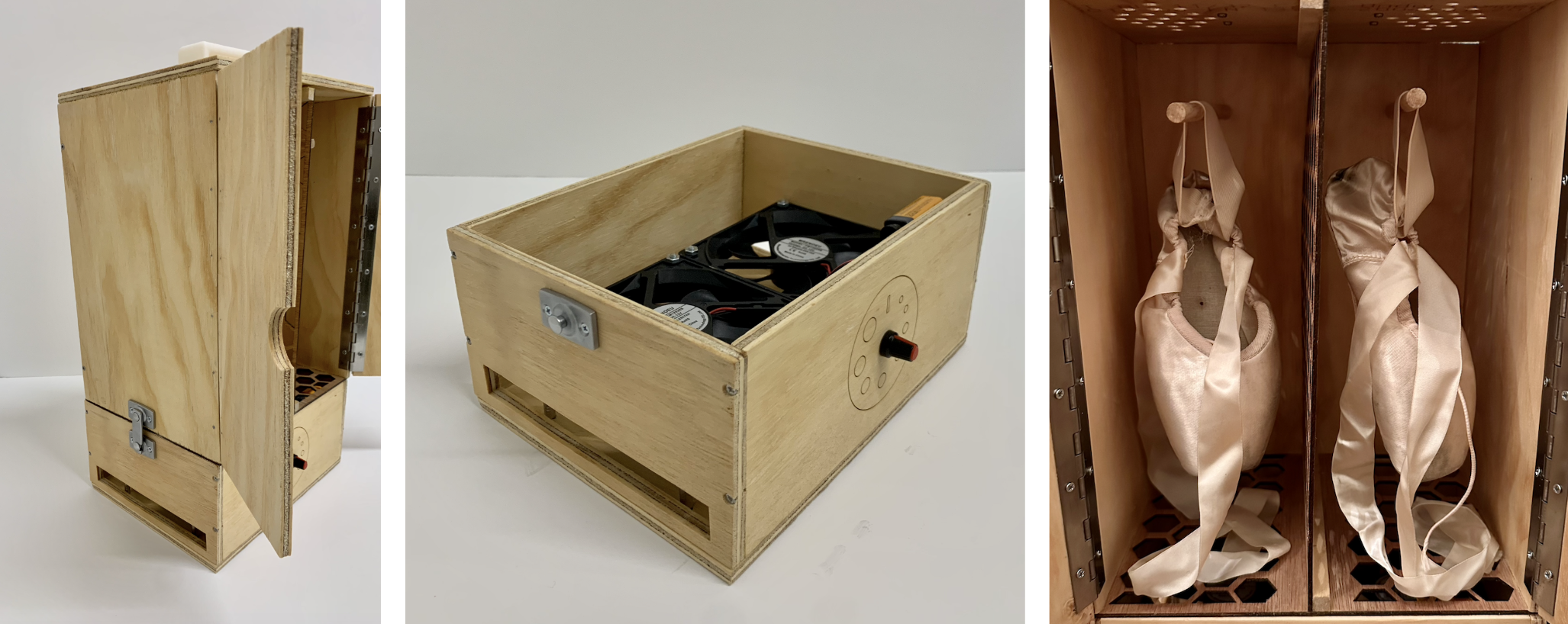
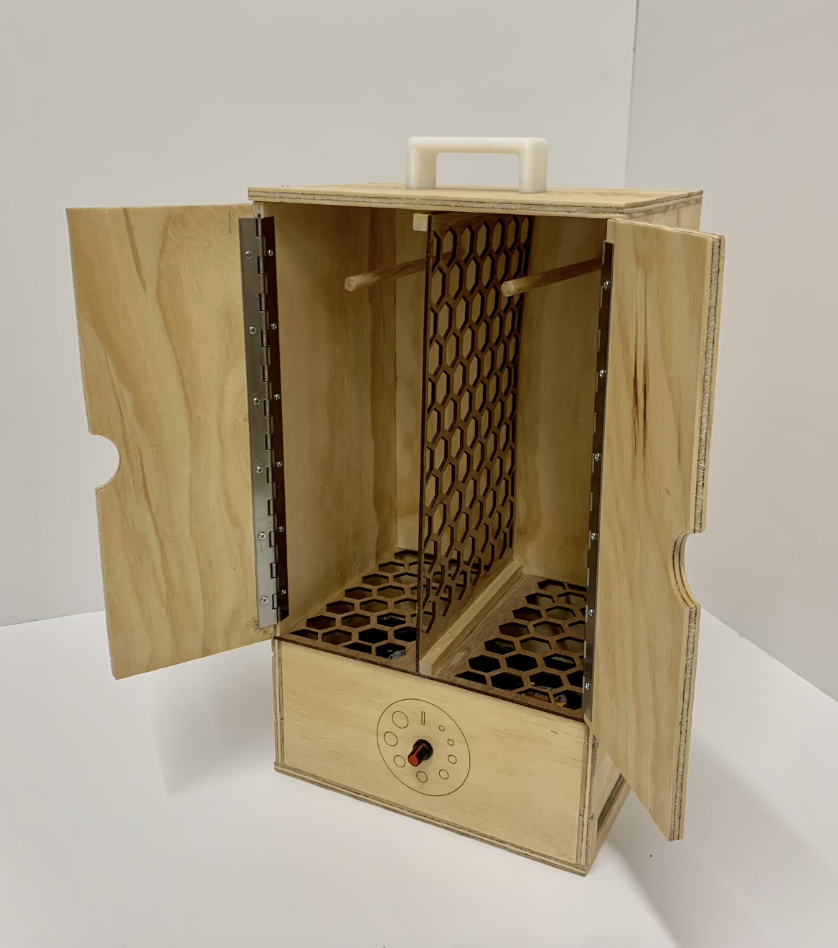
Built a fully functional prototype that suspended the pointe shoes to preserve their shape while adjustable fans circulated air through the ventilated enclosure to remove moisture and odor.
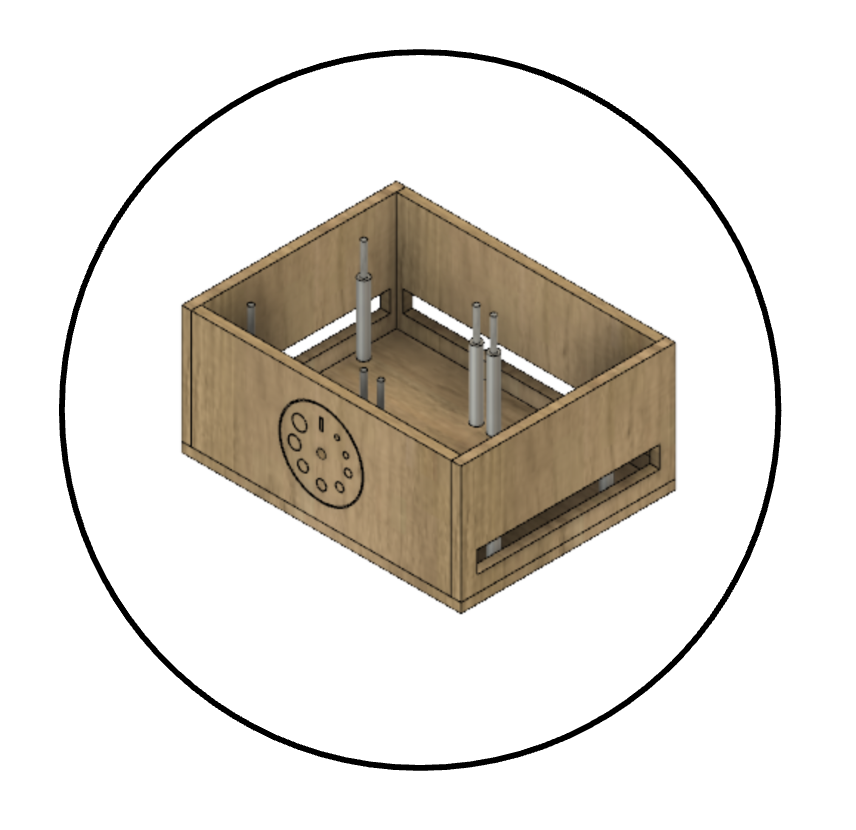
Constructed the final prototype using laser cutting, woodworking, drilling, sanding, and electrical wiring, assembling the plywood enclosure, ventilated panels, hardware, and fan system into a functional product.
Had ballet dancers use and evaluate the prototype, gathering feedback on its performance, usability, appearance, and practicality, with dancers finding the product intuitive and user-friendly.
Based on feedback from dancers who tested the prototype, I identified several improvements that could be incorporated into a future iteration:
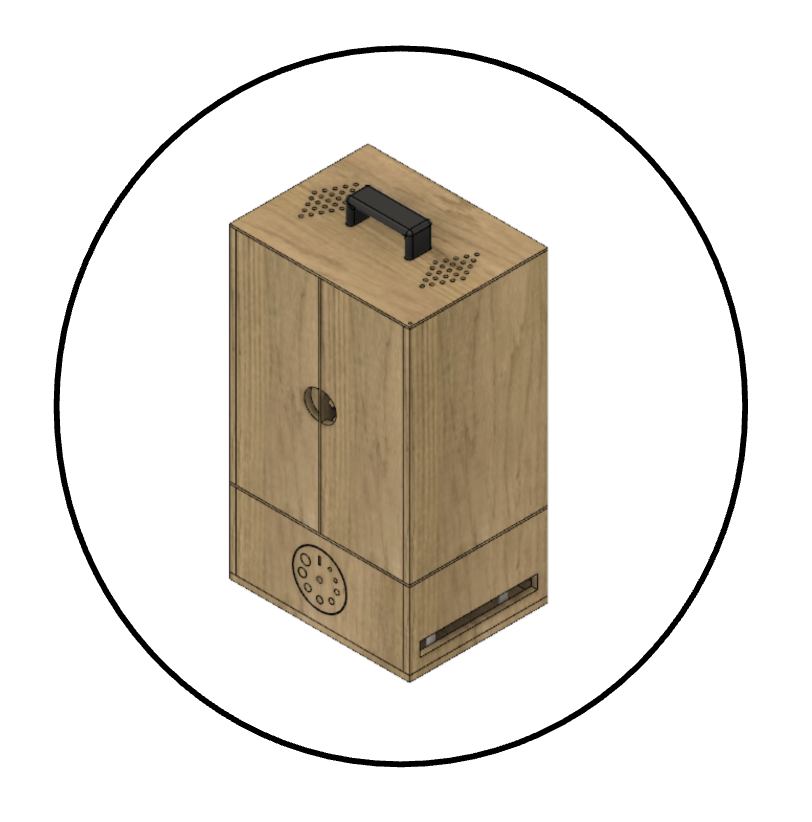
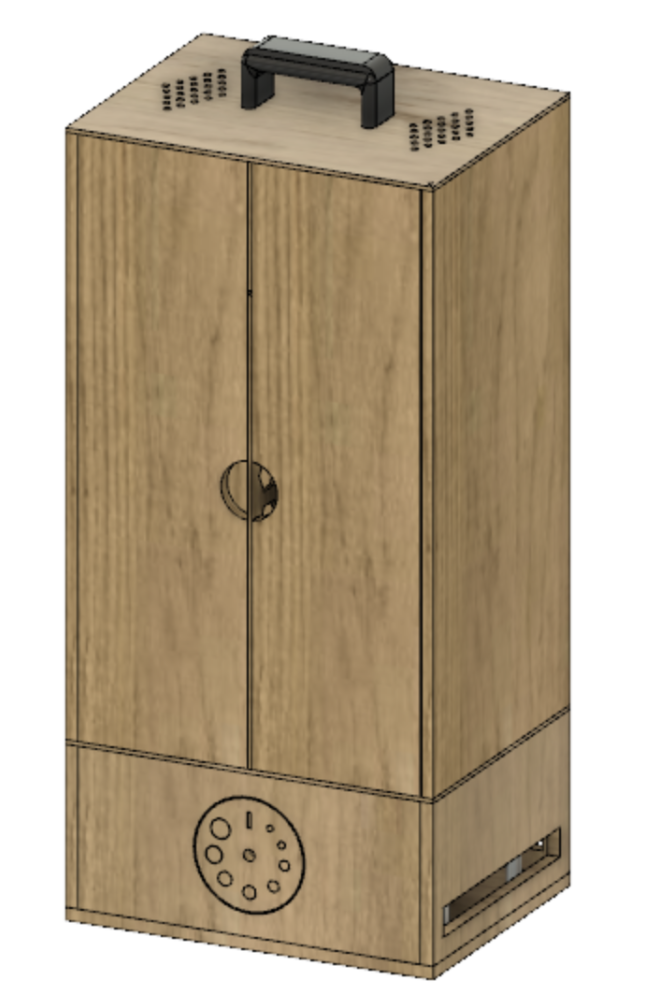
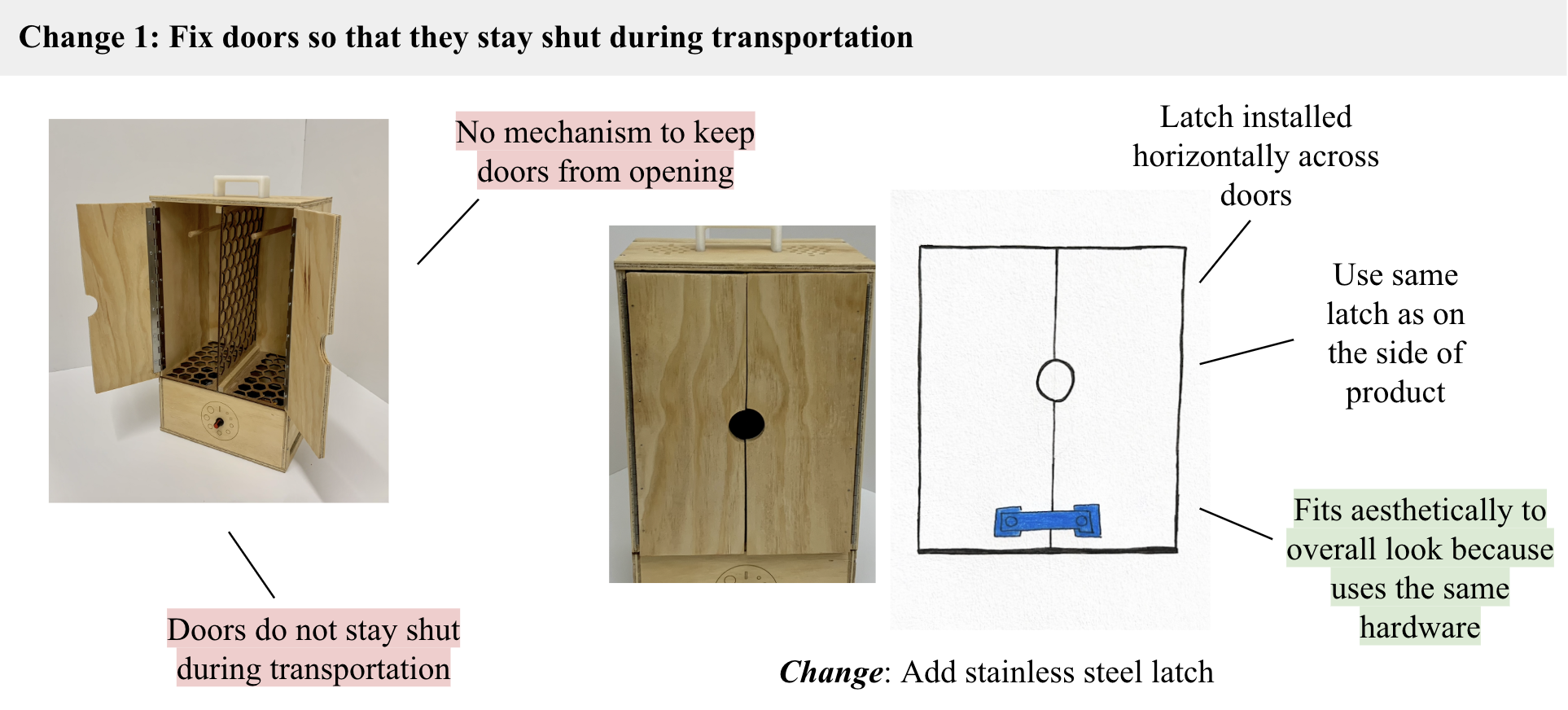
Add a stainless-steel door latch to keep the doors securely closed during transportation, making the product easier and safer for dancers to carry between home and the studio.
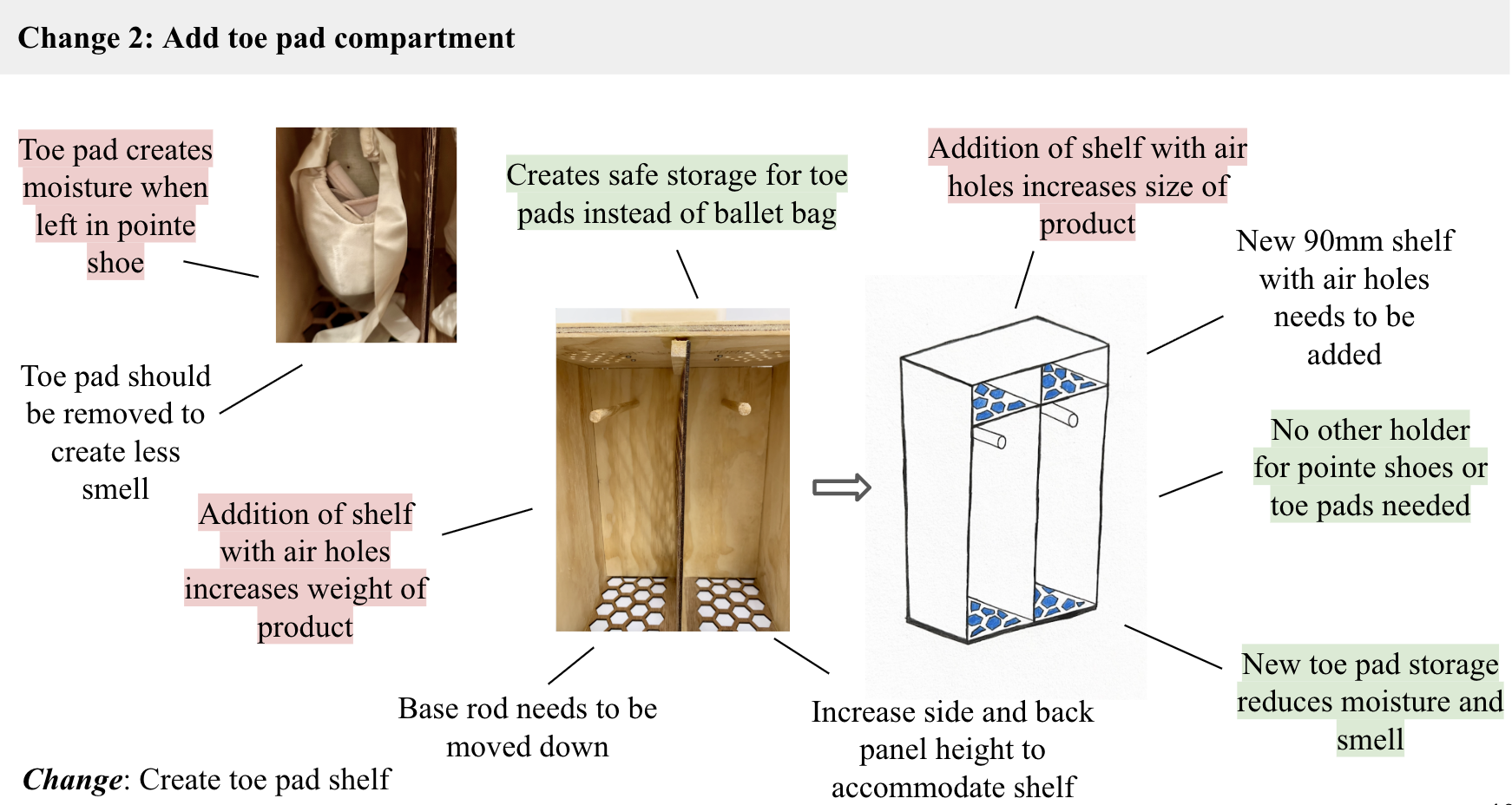
Add a dedicated upper compartment for storing and drying toe pads, which also absorb sweat during use, with a ventilated shelf to allow airflow to reach both the toe pads and pointe shoes.
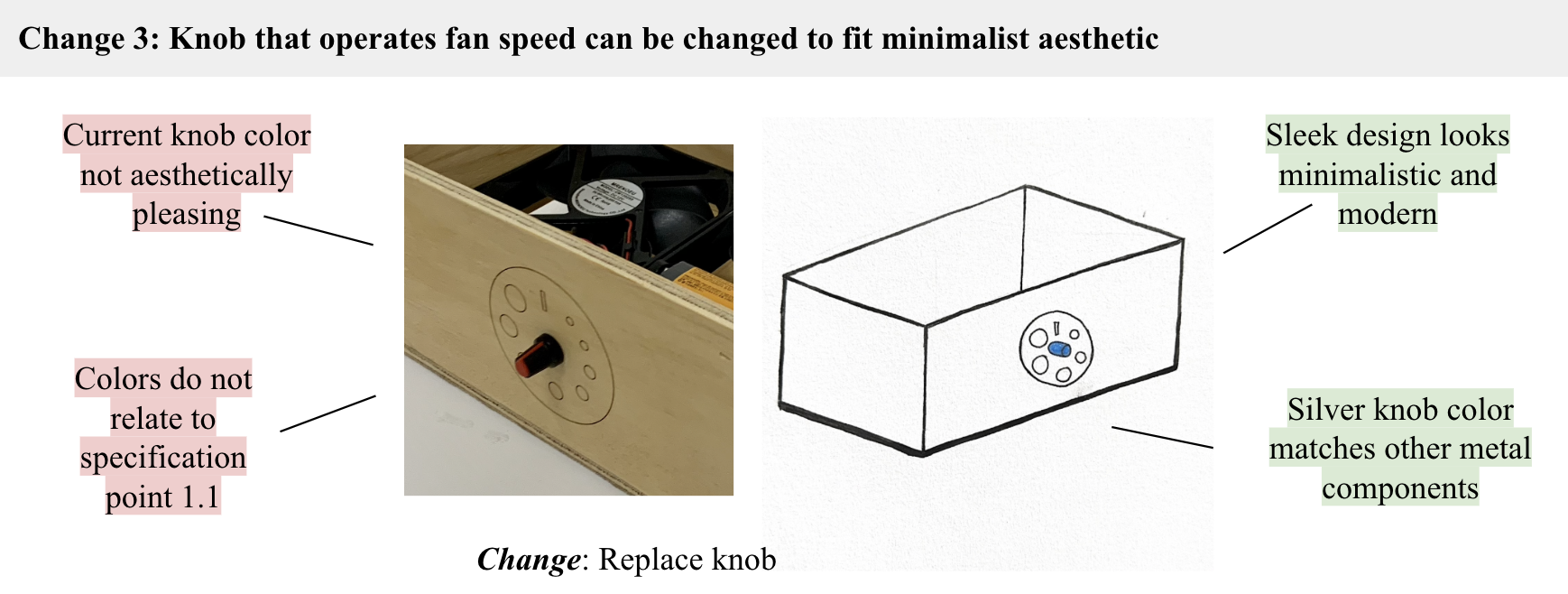
Redesign the fan-control knob to make switching between fan speeds more intuitive, while improving the overall ergonomics and appearance of the user interface.
Final Design Proposal:
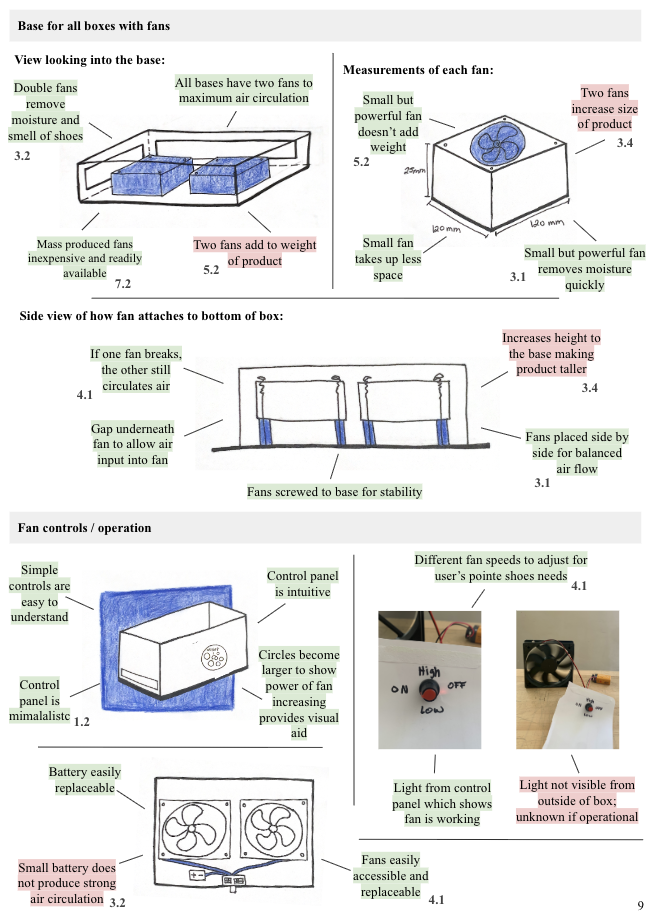
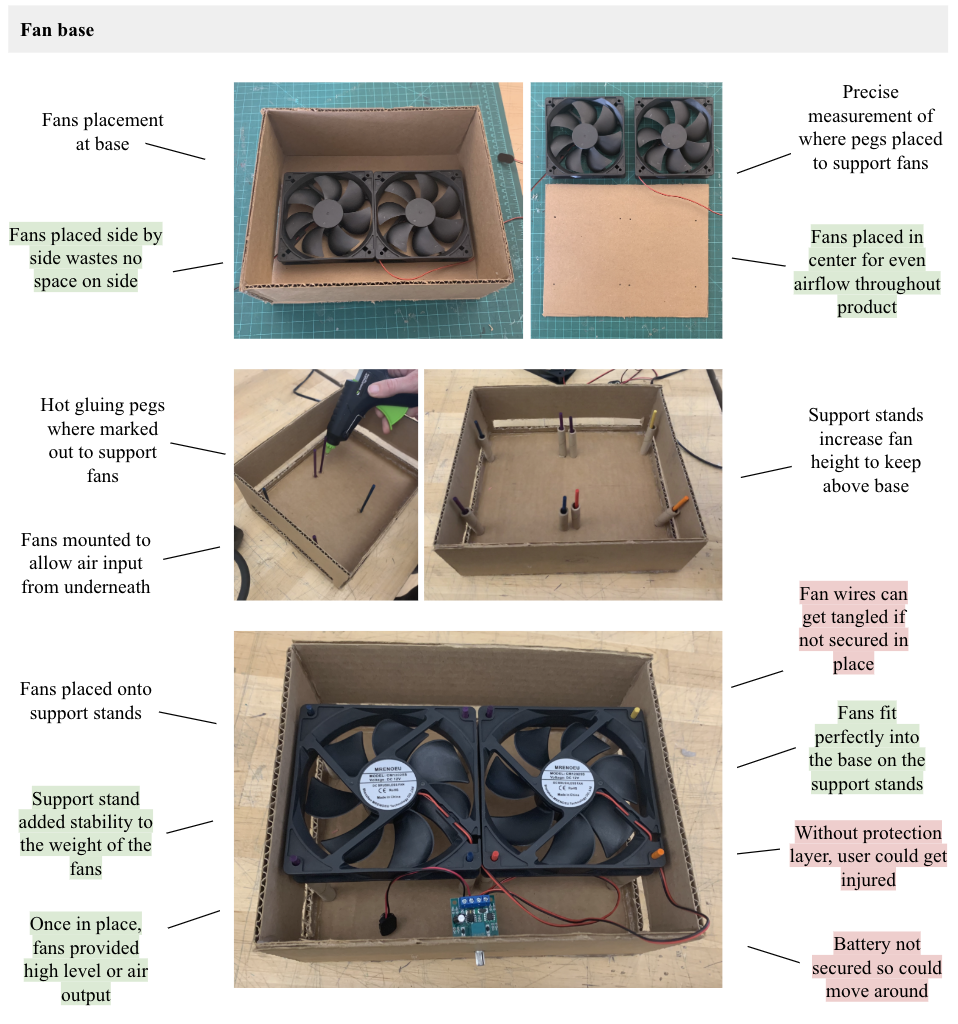
Integrated and wired two battery-powered fans into the base, experimenting with fan placement and multiple speeds to circulate air through the ventilated base and around the shoes.
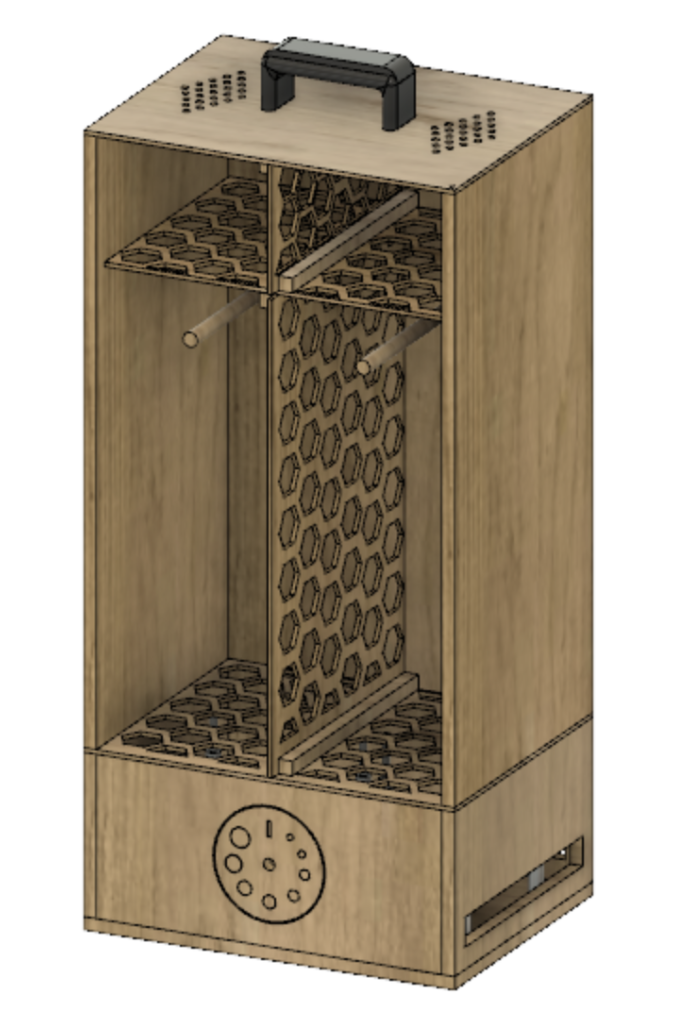
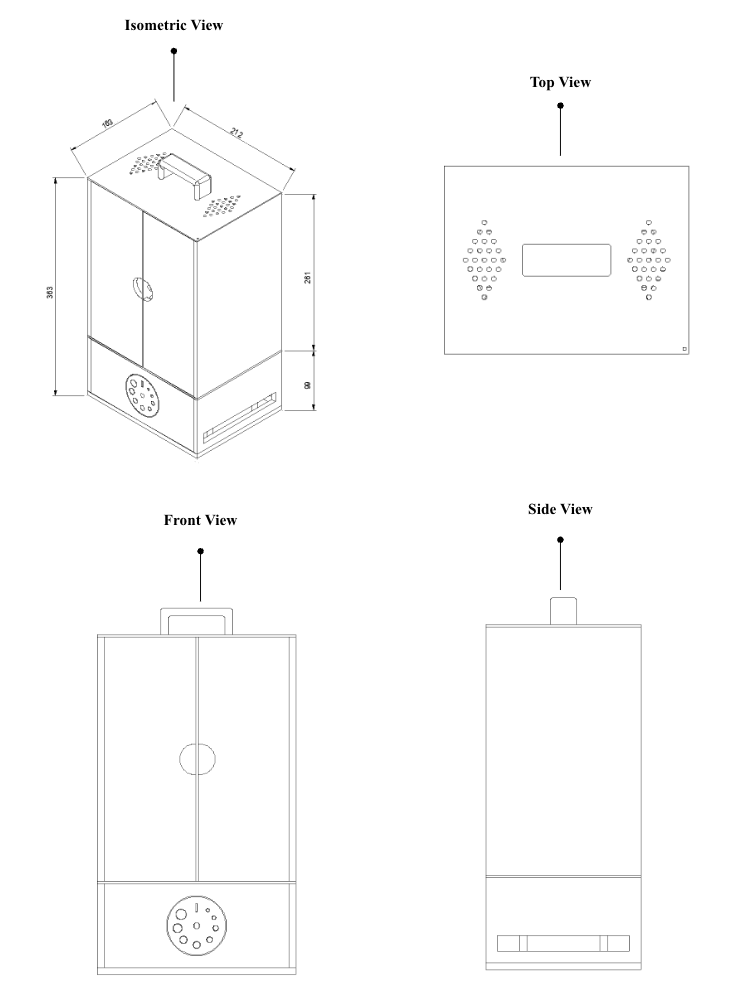
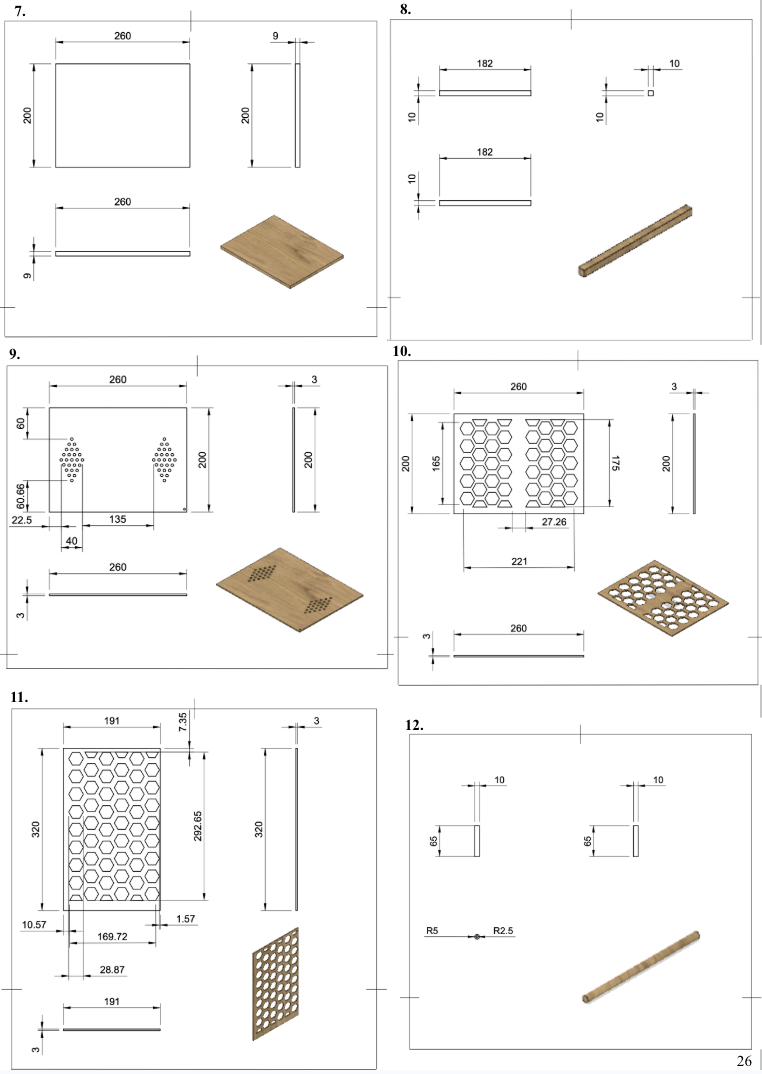
Modeled the final design in Fusion 360, defining each structural component and creating to-scale technical drawings with precise dimensions to guide fabrication.
Identified the appropriate materials and finishes for each component, selecting plywood and laser ply for their strength, durability, dimensional stability, and manufacturability, and applying a protective varnish to improve moisture resistance.
Created a complete Bill of Materials (BOM) and manufacturing plan, documenting component quantities and costs, fabrication sequence, required tooling, quality-control checks, and safety considerations before manufacturing the final product.
Design Improvements:
Skills Demonstrated:
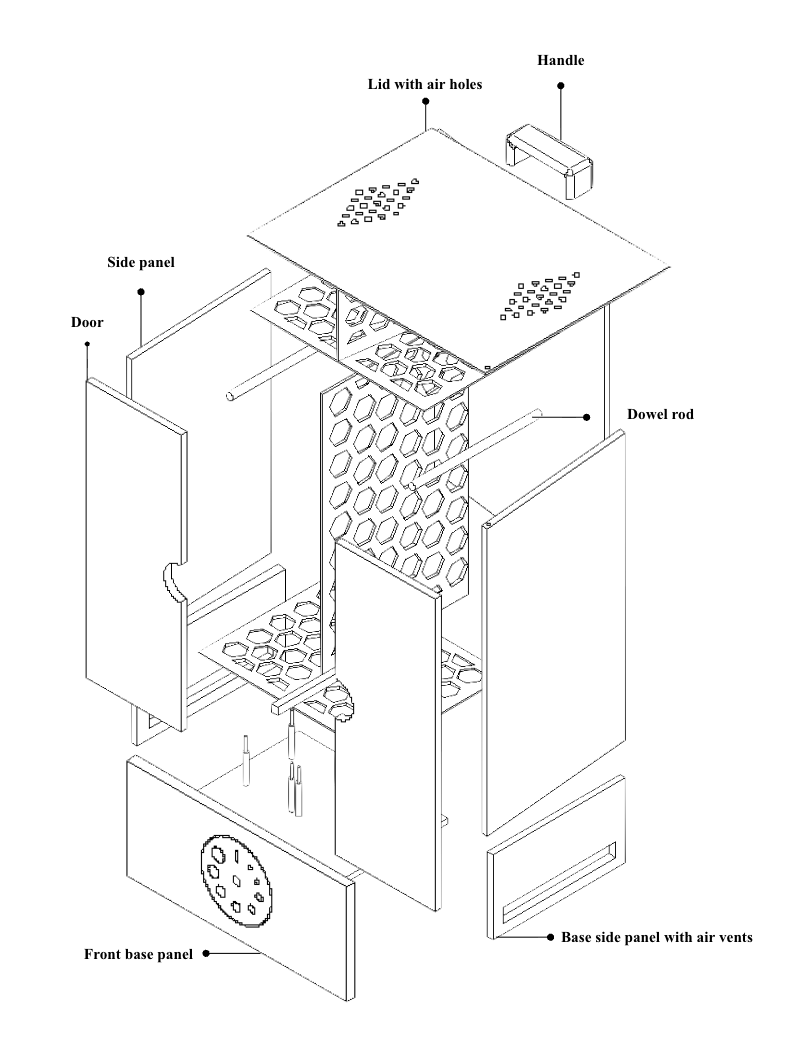
Fusion 360 CAD Modeling – Developed 3D models and dimensioned technical drawings for fabrication.
Rapid Prototyping & Iteration – Built and tested conceptual models to refine airflow, structure, and functionality.
Design for Manufacturing – Selected materials and finishes and developed a BOM and manufacturing plan.
Fabrication & Assembly – Applied laser cutting, woodworking, drilling, fastening, and electrical wiring techniques.
Testing & Validation – Evaluated airflow, structural durability, fan performance, and overall functionality.
User-Centered Design – Used dancer testing and feedback to identify and develop future design improvements.